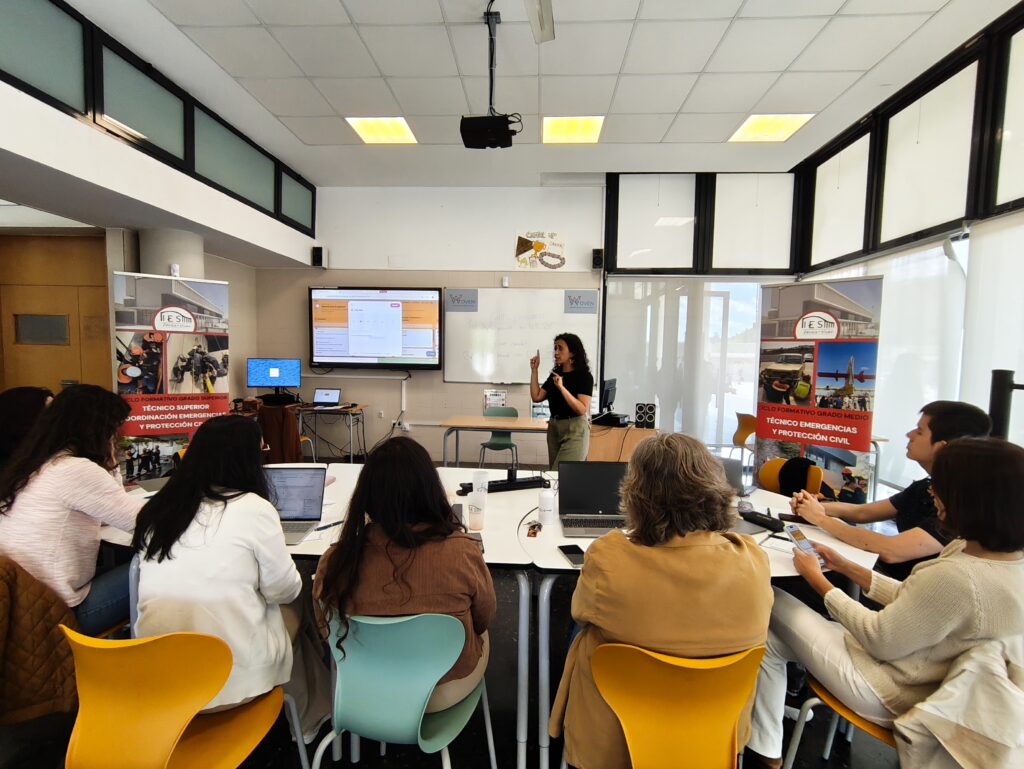


On 12 May 2026, IES Jérica-Viver welcomed the teachers taking part in the training sessions for the European WOVEN project, an initiative that brings together vocational education and training teachers from Spain and Portugal with the aim of promoting the integration of green skills into teaching. The first day was characterised by the exchange of experiences, collaborative learning and the discovery of Jérica’s cultural heritage.
A welcome to encourage collaboration
The training session began with a warm welcome organised by IES Jérica-Viver, the host school for this international event. From the very start, the aim was to foster an atmosphere of trust and cooperation amongst the participants, who came from various schools in Spain and Portugal.
To this end, the hosts organised an ice-breaker activity that enabled the teachers to get to know one another in a friendly and relaxed atmosphere. Through a game designed to break the ice, the participants were able to strike up conversations, share their career paths and forge initial bonds that would facilitate their collaboration throughout the training programme.
This initial contact proved crucial in creating a participatory environment in which the exchange of ideas and experiences became one of the key aspects of the event.
Presentation of the WOVEN project
Following the opening session, Isis Torales, a representative of CRESOL, presented the WOVEN project, providing an overview of its objectives, the European context in which it is being implemented, and the goals it aims to achieve in the field of vocational training.
During his speech, he explained the importance of preparing students to tackle the challenges arising from the green transition, a priority shared by the European institutions. The project aims to provide teachers with resources and methodologies that will facilitate the integration of sustainability-related skills across the various professional fields.
This introduction enabled all those present to understand the purpose of the conference and the role that teachers play as key agents in promoting an education system more committed to sustainable development.
The European framework for green skills
Ana Nunes and Sofia Oliveira, representatives of MENTORTEC, then went into more detail about the green skills framework that serves as a reference for the development of the project’s materials.
During their presentation, they explained how these skills can be incorporated across the board into vocational training, regardless of each teacher’s specialism. As well as addressing issues relating to environmental sustainability, the framework also promotes skills such as critical thinking, innovation, problem-solving and the ability to make responsible decisions from an environmental perspective.
The session helped to put the practical work that the participants would subsequently carry out into context and provided a clear insight into the importance of integrating these topics into everyday teaching practice.
A break with a local flavour
Before the practical activities began, the participants enjoyed a coffee break accompanied by a tasting of local produce.
This moment served not only to recharge everyone’s batteries, but also to further strengthen relations between the participants in an informal setting. The local cuisine proved to be an excellent introduction to the area hosting the meeting and encouraged further conversations between teachers from both countries.
From the page to the classroom: practical work amongst teachers
The second part of the morning was devoted to the practical application of the materials developed by MENTORTEC.
The trainers presented the documents and teaching guides designed specifically to help teachers incorporate green skills into their lesson plans and classroom activities. Following an initial explanation, the participants examined the materials in detail and selected some of the suggestions to prepare a presentation for the rest of the group.
This methodology enabled teachers to play a fully active role during the training. Rather than simply reading the documents, they had the opportunity to reflect on how to adapt the activities to their own educational contexts, assess potential difficulties in implementation and suggest improvements based on their professional experience.
The various presentations led to a fruitful exchange of views amongst teachers from different subject areas and educational institutions. The discussion provided an opportunity to share methodological approaches, clarify doubts and discover new ways of addressing sustainability within vocational education.
One of the aspects most highly valued by the participants was precisely the opportunity to learn from the experiences of other teachers. The diversity of perspectives provided new ideas for adapting activities to different educational contexts and demonstrated the value of international cooperation as a means of improving the quality of teaching.
A space for building collaborative networks
In addition to the training content, the event helped to strengthen the development of a collaborative network amongst the participating centres.
Face-to-face meetings provide an opportunity to build professional relationships that foster future exchanges of experiences, the joint development of materials and the development of new initiatives linked to educational innovation and sustainability.
The WOVEN project is committed precisely to this kind of collaborative learning, in the belief that exchanges between teachers from different countries enrich educational practices and facilitate the introduction of innovative methodologies into the classroom.
Discovering the heritage of Jérica
Once the training sessions had finished, the participants enjoyed a meal in Jérica, where they were able to continue sharing their thoughts on the day in a more relaxed atmosphere.
In the afternoon, the programme continued with a guided cultural tour of the town. Thanks to the local guide’s explanations, the participants discovered some of the town’s most iconic spots, as well as the key historical events that have shaped its development over the centuries.
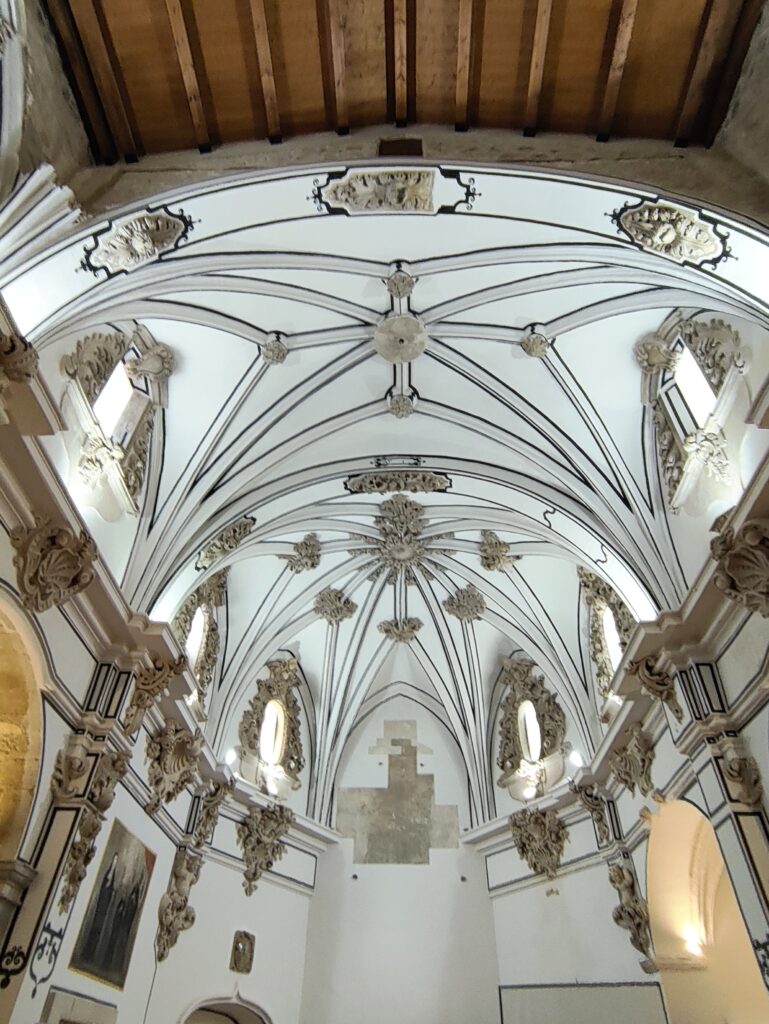
The tour provided an insight into Jérica’s valuable architectural and cultural heritage, highlighting the rich history of this municipality in the Alto Palancia region.
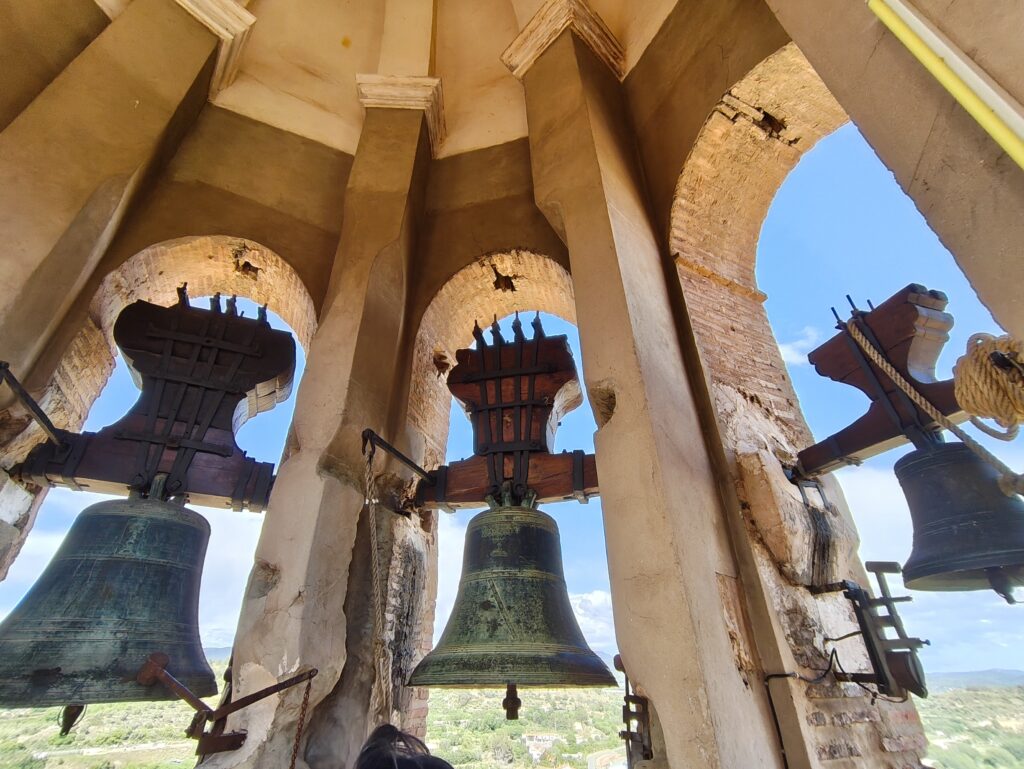
The event concluded with a visit to the tower and the museum in Jérica, two sites that offered a comprehensive insight into the town’s past and enabled participants to gain a deeper understanding of the cultural identity of the region hosting this international gathering.
A very rewarding first day
The first day of training for the WOVEN project fully met its objectives, combining theoretical content, practical activities, collaborative work and cultural experiences.
Not only did the participants broaden their knowledge of the green skills and resources developed by the project, but they were also able to make professional contacts, share best practice and gain a first-hand insight into Jérica’s heritage.
With this promising start, the training sessions lay the foundations for further progress in the development of vocational education and training that is increasingly committed to sustainability, innovation and European cooperation.