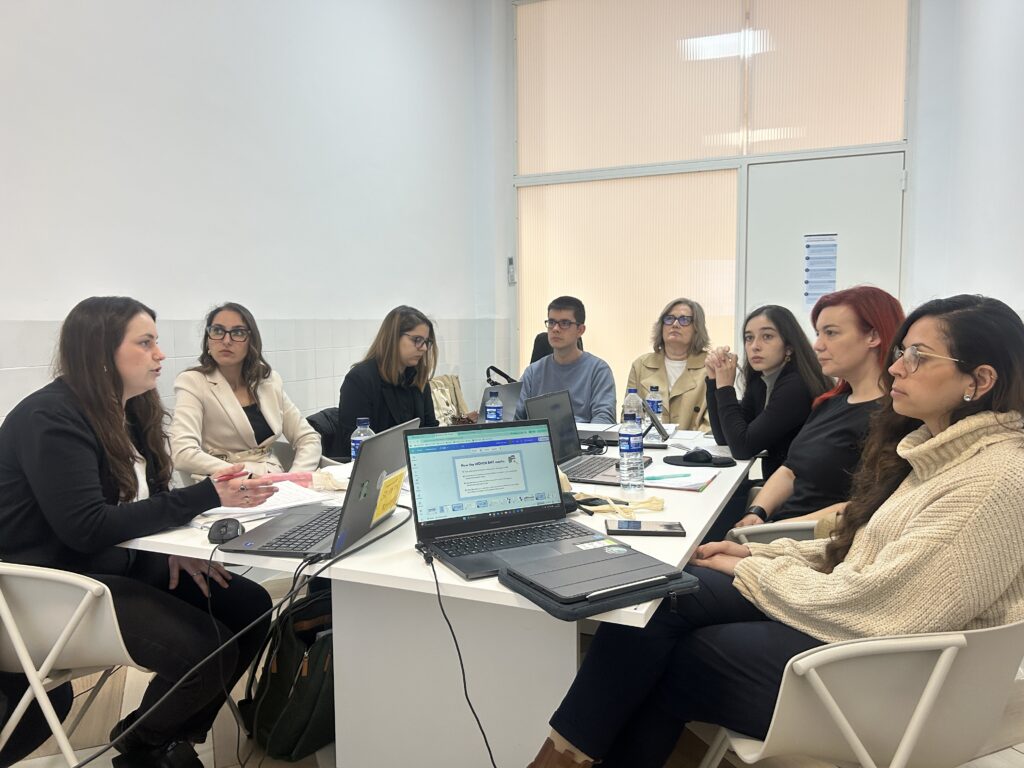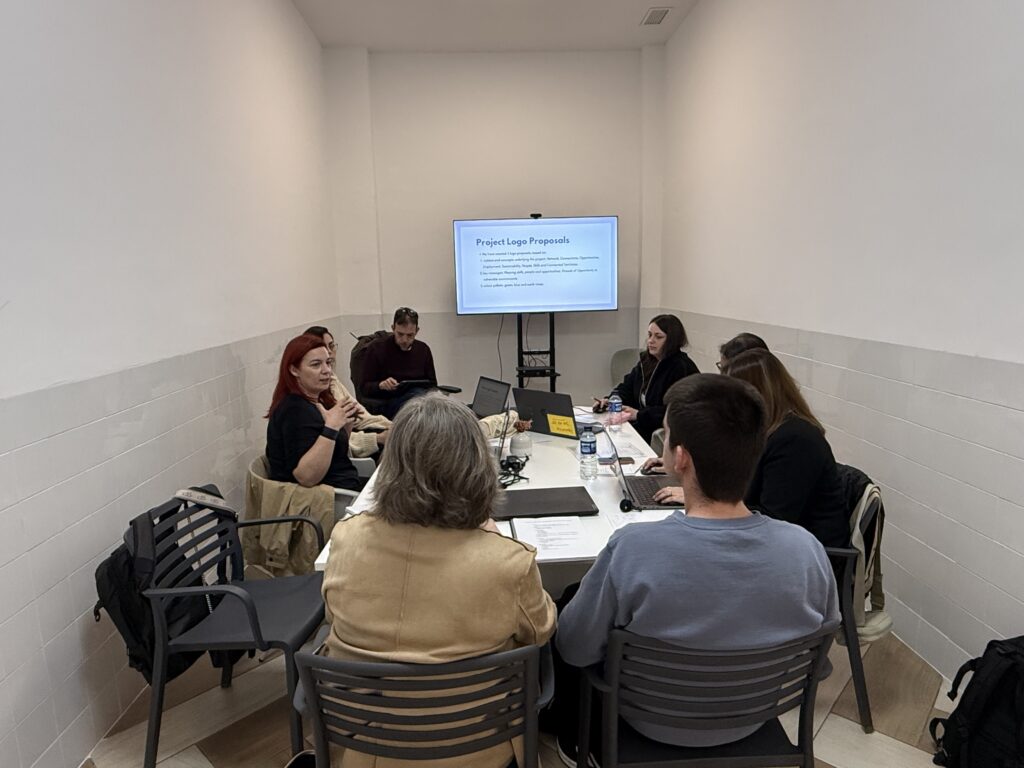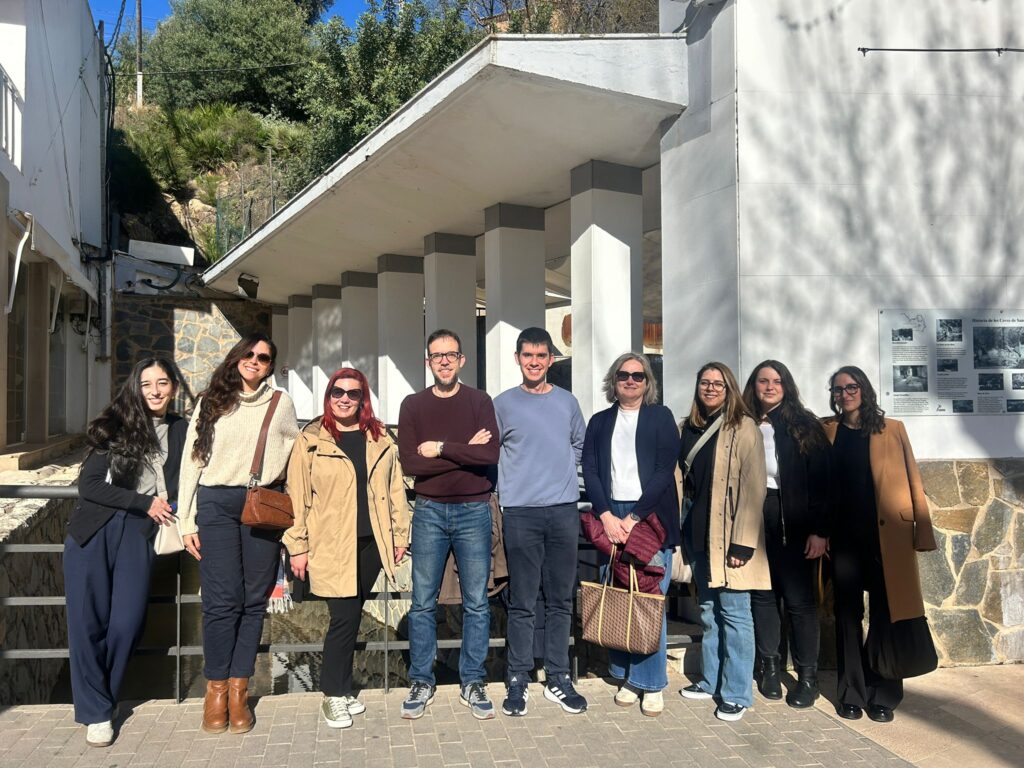


CRESOL’s premises in La Vall d’Uixó hosted the first face-to-face meeting of the European project Erasmus+ WOVEN, a meeting that brought together partners from Spain, Portugal and Italy with the aim of laying the groundwork for the coming months. The event provided an opportunity to finalise the project plan, allocate responsibilities amongst the participating organisations and strengthen relations between the teams that will be collaborating on this initiative, which is dedicated to promoting green skills in vocational training.
An initial meeting to build a team
The meeting began with an activity designed to help participants get to know one another. Before tackling the technical aspects of the project, those present took part in the «Two Truths and a Lie» activity, a game that helped break the ice in a friendly and relaxed way.
This first activity helped to create an atmosphere of trust and collaboration right from the start of the meeting. Although many of the organisations had already been in contact during the project’s preparatory phase, the face-to-face meeting provided an opportunity to put a face to the various team members and begin to build the personal relationships that will facilitate our joint work over the coming years.
The international nature of the project made this first exchange particularly enriching, as professionals from different countries and organisations were able to share their experiences and motivations for taking part in WOVEN.
Project presentation and general planning
Following the opening session, Isis Torales, a representative of CRESOL and the project coordinator, gave an overview of WOVEN.
During his speech, he outlined the main objectives of the initiative, which focus on promoting the integration of green skills into vocational training through the development of teaching materials, training programmes and opportunities for international cooperation between educational institutions and specialist organisations.
He also presented the expected results, the various implementation phases and the timetable that will guide the work of all partners throughout the project. This overview enabled all participants to share a common understanding of the objectives and the planned timeline for achieving each of the established milestones.
The meeting also served to clarify the role that each organisation will play within the consortium and the importance of maintaining open communication to ensure that all activities run smoothly.
Financial matters and partners’ responsibilities
Next, José Segarra, also a member of CRESOL, addressed one of the key aspects of effective project management: financial management.
During his presentation, he explained the procedures relating to payments, the financial justification of expenditure and the documentation that each participating organisation must provide in order to comply with the requirements set out by the Erasmus+ programme.
The meeting provided an opportunity to address queries regarding administrative and financial management, as well as to reiterate the responsibilities each partner undertakes in relation to the implementation of the planned activities.
Having a clear plan from the outset is essential to ensure transparency and the smooth running of the project, whilst promoting effective coordination between all the organisations involved.
A space to continue building connections
Following the first working sessions, the participants enjoyed lunch at a café near the CRESOL premises.
This break provided a further opportunity to get to know one another better in a more informal setting and to share their thoughts on the topics covered earlier that morning.
These kinds of social spaces play an important role in European projects, as they help to build trust between partners and facilitate future collaboration beyond official meetings.
Each partner’s contribution to the project
The second part of the day was devoted to presentations by the various participating organisations, which outlined the tasks and responsibilities they will undertake during the course of the project.
The Italian organisation ARCES presented the priority plan that will guide a large part of the planned activities, setting out the strategic priorities on which the various project outcomes will be based.
For its part, MENTORTEC explained the monitoring and evaluation system designed to keep a close eye on activities. Thanks to these tools, it will be possible to assess the extent to which objectives are being met, identify opportunities for improvement and ensure the quality of the results achieved.
These sessions enabled all partners to understand the overall functioning of the project and how the various tasks complement one another in order to achieve the common objectives.
The role of educational institutions
Next, it was the turn of the two participating schools: IES Jérica-Viver, from Spain, and the Escola Profissional Amar Terra Verde (EPATV), from Portugal.
Both institutions jointly presented the dissemination plan they will implement throughout the project to raise awareness of the various activities and results achieved. The strategy involves the use of different communication channels with the aim of bringing the project to the attention of both the educational community and the general public.
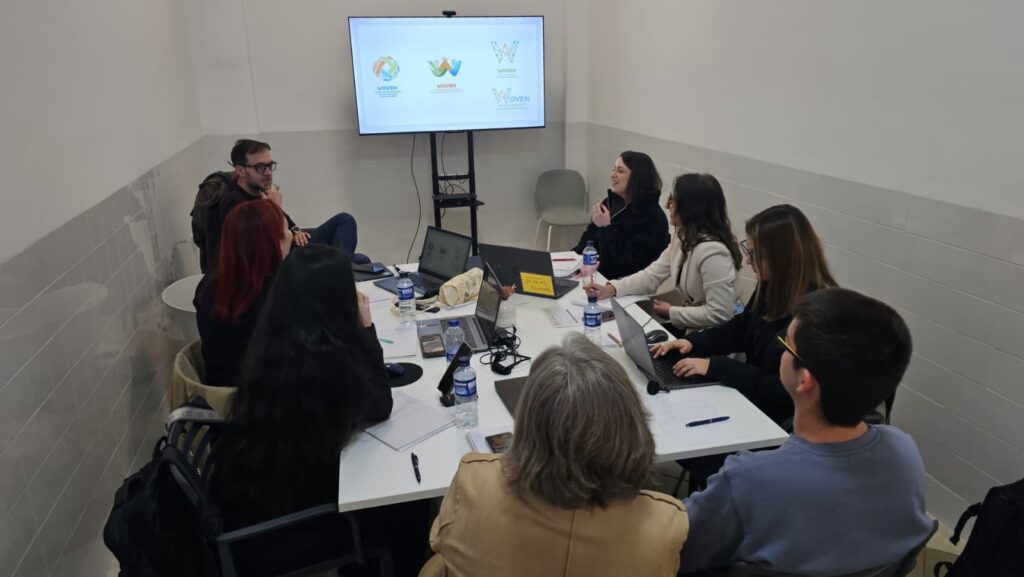
One of the most participatory moments of the day was the selection of the project’s visual identity. The EPATV team had drawn up several logo proposals, and the partners used the meeting to review each design and vote for the one that best represented WOVEN’s values and objectives.
The selection of the logo was an important step towards creating a consistent visual identity that will feature in all the project’s communication and promotional activities throughout its development.
Looking ahead to upcoming activities
Before concluding the technical part of the meeting, the participants briefly reviewed the next steps set out in the work schedule.
Particular attention was paid to the international training course due to take place in May at IES Jérica-Viver, one of the project’s first major activities. During this session, the most important organisational aspects were discussed and the initial coordination arrangements were put in place to ensure the success of this training event.
Thanks to this joint planning, all the partners concluded the meeting with a clear roadmap for tackling the next phases of the project.
Discovering La Vall d’Uixó
To round off the day, the participants enjoyed a cultural and culinary experience that helped to further strengthen relations between the partners in a setting different from that of the working sessions.
The meal took place at a restaurant in La Vall d’Uixó, where guests were able to sample a traditional paella, one of the most iconic dishes of Valencian cuisine.
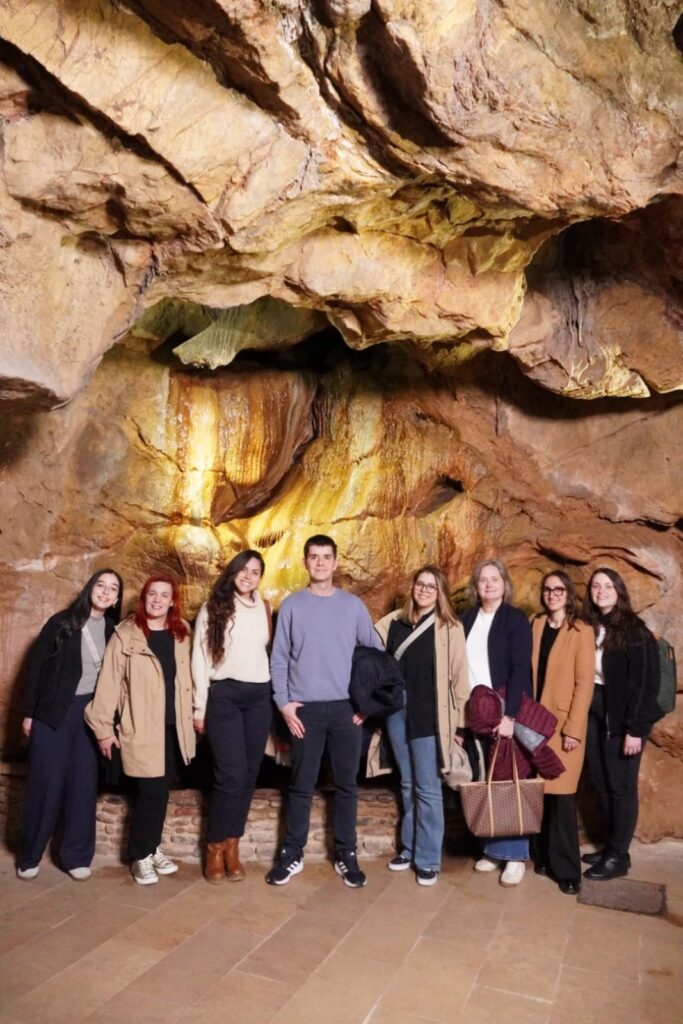
The group then visited the iconic Coves de Sant Josep, one of the municipality’s main tourist attractions and renowned for being home to one of the longest navigable underground rivers in Europe. The visit gave participants the opportunity to experience this unique natural site at first hand and to discover an important part of the region’s cultural and scenic heritage.
A solid starting point for WOVEN
The first face-to-face meeting of the Erasmus+ WOVEN project marked a decisive step towards establishing an international partnership based on trust, coordination and a shared commitment to educational innovation and sustainability.
During the event, the organisational foundations of the project were laid, responsibilities were defined, cooperation between the partners was strengthened, and plans were drawn up for the upcoming activities that will shape the initiative’s development. At the same time, the experiences shared outside the workplace helped to build a team ready to tackle the challenges of the coming months together.
With this first meeting, WOVEN is setting out on its journey with a clear objective: to promote vocational education and training that is more sustainable, innovative and in tune with the needs of the future, through European cooperation.